
Condenser care · 8 min read
How to Clean a Sub-Zero Condenser Coil in Santa Clara
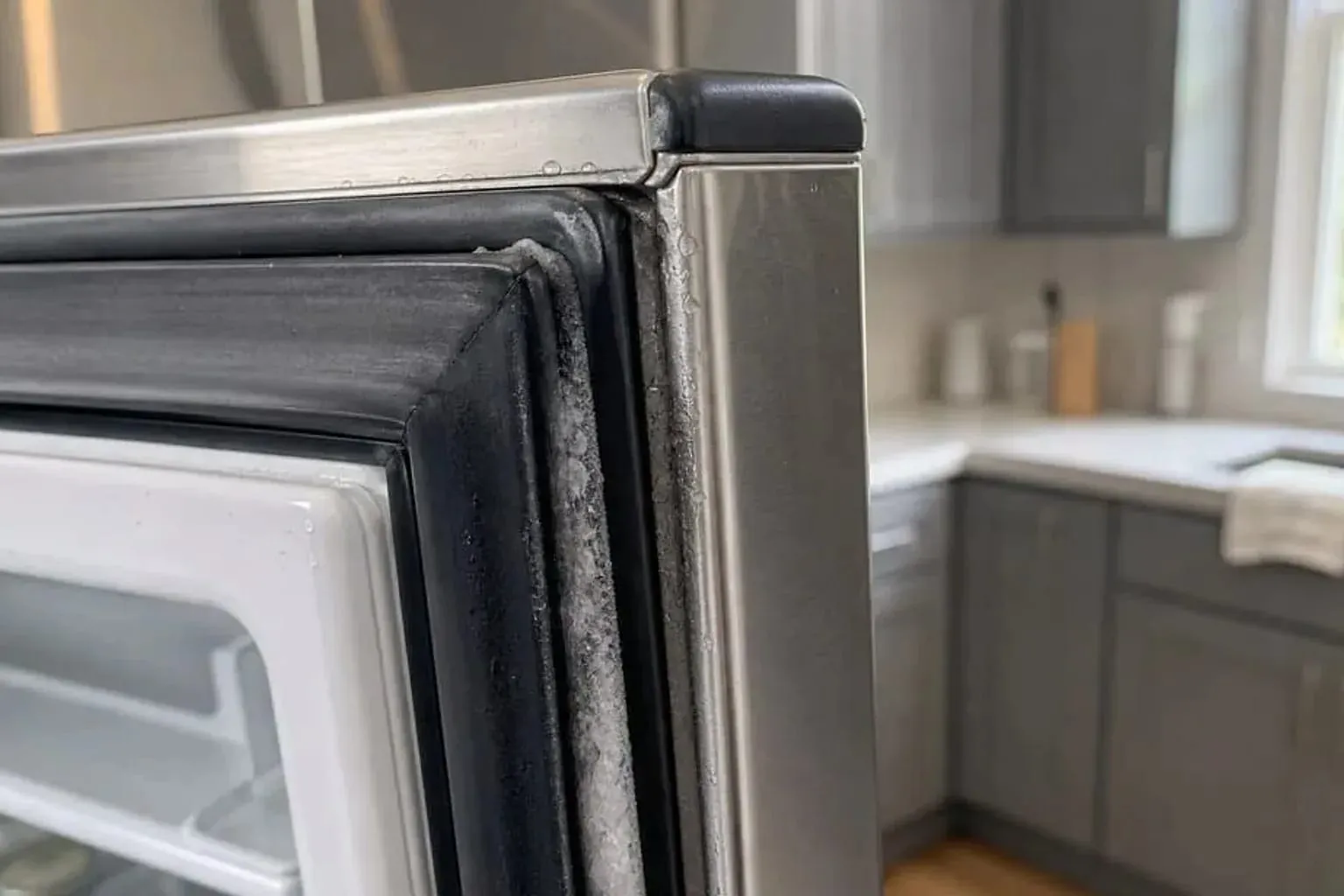
A clogged Sub-Zero condenser coil is the single most common reason a built-in runs warm in Santa Clara, and clearing it takes about 15 minutes with a vacuum and a soft brush. Dust and pet hair pack the coil behind the upper grille until the compressor can no longer shed heat, so the box cycles constantly, drifts above 40°F, or trips off in inland summer heat. Homeowners in Old Quad and Rivermark face a seasonal choice: spend a quarter hour on maintenance, or risk an $89 diagnostic call once the food warms. This guide walks the safe cleaning routine, the cadence that suits Santa Clara's climate, and the point where a warm fridge signals a fault a brush cannot fix.
Should You Clean the Condenser Coil Yourself or Call a Pro?
Clearing the Sub-Zero condenser coil is a job most owners can handle, and the decision between doing it yourself and booking a pro comes down to access and comfort. The coil sits behind the upper grille on a built-in Sub-Zero, reachable once the grille clips or screws release, so a steady hand with a vacuum finishes the task in about 15 minutes. Go the DIY route when the grille lifts off cleanly and the coil wears only a light dust blanket. Lean on a pro when the grille is paint-sealed shut, the unit is a tall integrated column that is awkward to reach, or the fridge still runs warm after a thorough pass. A Sub-Zero owner who clears the coil twice a year rarely meets a not-cooling failure, while one who never touches it invites the compressor strain that can turn a free chore into a $1450-$3600 sealed-system bill. The tradeoff is honest: a DIY pass costs a Saturday quarter-hour, while a booked service visit buys a trained eye that can spot a fraying door gasket or a laboring evaporator fan before it quits.
Why Does a Dust-Clogged Coil Make a Sub-Zero Run Warm?
A Sub-Zero condenser coil sheds the heat pulled out of the fresh-food and freezer compartments, and once dust smothers it the whole cooling cycle backs up. Warm refrigerant leaves the compressor expecting the coil to cool it down, but a felt of pet hair traps that heat, so the refrigerant circles back hot and the box slowly climbs above its 38°F setpoint. The compressor answers by running longer and longer, sometimes never shutting off, which spikes energy use and bakes the sealed system it depends on. Santa Clara owners near Forest Park notice the symptom first as a fridge that feels warm on top or an ice bin that thins out. Grasping this chain is what turns coil cleaning from an optional chore into an easy call: left alone, the strained compressor on a built-in Sub-Zero can overheat and trip its thermal protector, shutting the unit down until it cools.
How Often Should You Clean the Coil in Santa Clara Heat?
Santa Clara's inland summers make a strong case for clearing the Sub-Zero condenser coil twice a year, once each spring and fall. Cadence is really an owner's judgment call weighed against the home's dust load: a household with shedding pets or a remodel underway may decide on a quarterly pass, while a tidy, pet-free kitchen in the Old Quad often holds fine on the six-month rhythm. Rivermark and SCU-area units that sit above garages or near busy streets pull in more grit, so those Sub-Zero owners lean toward the shorter interval. The tell is visual: pop the upper grille and look, because a coil wearing a grey blanket is overdue while a lightly dusted one can wait. Santa Clara kitchens that run the fridge hard through a long entertaining season deserve the closer look, since a coil starved of airflow shows no warning light until the compartment is already warm. Marking the cleaning on a calendar beside the smoke-detector battery swap keeps the built-in Sub-Zero out of the summer not-cooling queue, when inland heat gives a clogged coil the least margin to spare.
What Are the Five Steps to Clean the Coil?
Clearing a Sub-Zero condenser coil is a five-step routine, and the owner's first decision is whether to unplug the unit, a step worth taking for safety. Begin by releasing the upper grille on the built-in Sub-Zero, then run a vacuum with a brush attachment across the coil fins to lift the loose dust and pet hair. Follow with a soft appliance brush or a dedicated coil brush worked gently along the fins to free the packed felt the vacuum leaves behind, sweeping downward so debris falls where the vacuum can catch it. Reach the fan blade and the floor of the compartment too, since hair collects there and rides back onto a clean coil within weeks. Skip pressurized air, which drives grit deeper into the sealed system, and skip water on a live unit. Reseat the grille, restore power, and the Sub-Zero compressor should quiet within an hour as it finally sheds heat freely again.
When Does a Warm Sub-Zero Mean More Than a Dirty Coil?
A warm Sub-Zero that stays warm after a full coil cleaning is telling the owner to stop cleaning and start diagnosing. Once the condenser coil is spotless and the fridge still drifts above 40°F, the fault has moved to a part a brush cannot reach: a failing evaporator fan at $350-$750, a stuck thermistor or sensor at $350-$700, or a control board at $500-$1250. A Sub-Zero that frosts over, hums louder than usual, or leaves the compartment lukewarm despite a running compressor has crossed from maintenance into repair, and the owner's smart move is a diagnostic before food spoils. Santa Clara owners weigh an $89 service call against a fridge full of groceries and usually decide the visit pays for itself. Chasing a spotless coil past that point only lets the real fault, and the warm box, keep wearing on the unit. Owners who keep scrubbing often mask a $350-$700 thermistor drift that only deepens with every warm week that passes.
Is Skipping Coil Cleaning Worth the Repair Bill?
Skipping the Sub-Zero coil cleaning almost never pays, and the math makes the owner's decision easy. Fifteen minutes twice a year costs nothing but time, while the compressor strain a neglected coil invites can end in a $1450-$3600 sealed-system repair, the priciest fix a built-in Sub-Zero can face. Between those two poles sit the mid-range failures a chronically hot-running unit accelerates, from a $350-$750 evaporator fan to a $500-$1250 control board. A Santa Clara owner who books a professional cleaning still comes out ahead, because the $89 service fee is waived when the visit turns into an approved repair, so the inspection effectively rides along at no cost. Weighing a free seasonal chore against a four-figure sealed-system bill, most Old Quad and Rivermark households decide the vacuum-and-brush routine is the cheapest insurance their Sub-Zero will ever get.